
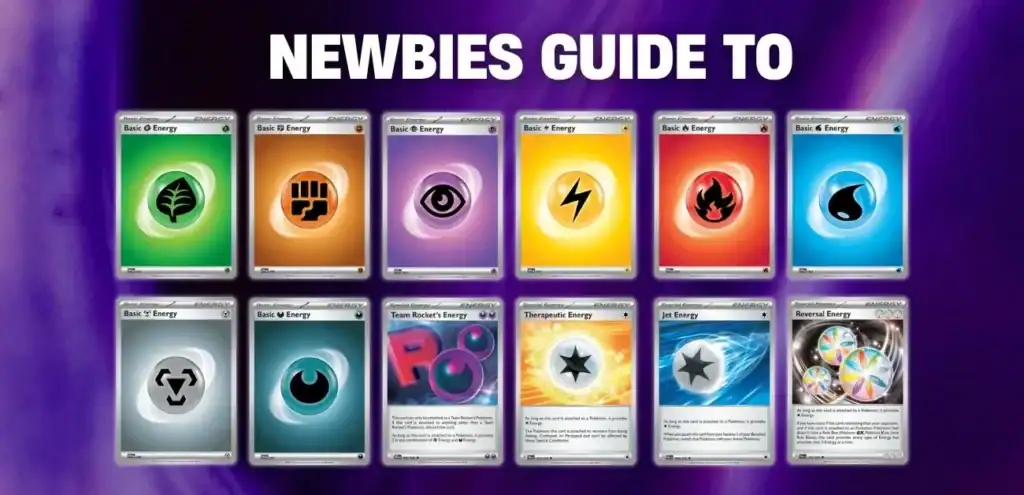
Pokémon Energy cards are used to power attacks in the Pokémon TCG. Each attack has a specific Energy cost, and you must attach the right type and number of Energy to use it. Learn how to manage Energy efficiently to win more games.
Let’s be honest- Energy cards don’t exactly scream excitement. You crack open a booster, skim past the shiny V, glance at the Trainer, then hit… an Energy card. Boring, right?
But without that “boring” card, your deck doesn’t work. You can’t attack. You can’t retreat. And your fancy Ultra Rare Charizard? It becomes a sitting target waiting to be knocked out. Energy is the literal engine of the Pokémon Trading Card Game.
This guide explains what Pokémon Energy cards are, how they work, how to use them smartly, and why they matter way more than most new players realize.
What You’ll Learn
- The differences between Basic and Special Energy in gameplay and collecting.
- How Energy costs work, what the symbols mean, and how to read them.
- Level up and win more games using Energy acceleration tactics.
- Common beginner mistakes that tank a deck.
- The ideal number of Energy cards to include in your deck, based on your experience level.
- How to spot valuable Energy cards for your collection.
What Are Pokémon Energy Cards?
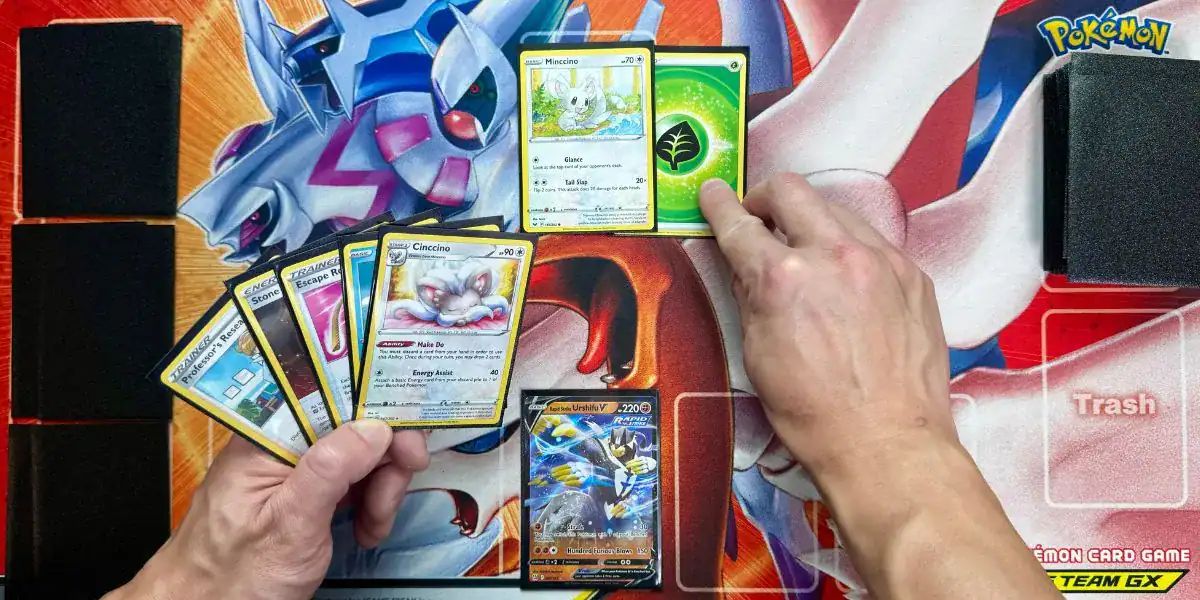
In the Pokémon TCG, Energy cards act as your Pokémon’s power source. If the cards in your deck were a team, Energy would be the budget. No matter how good your players are, if you can’t pay their salaries, you don’t get results.
There are three basic card types in every Pokémon deck:
Every Pokémon attack in the game has an Energy cost. This is shown as colored orb symbols. To use that attack, you must attach the correct type and number of Energy to that Pokémon.
If you can’t get Energy onto a Pokémon? It can’t attack. Simple as that. That’s why understanding Energy cards is essential.
If you’re brand new to the game, check out our Pokémon TCG step-by-step players guide. It walks you through everything from game setup to energy attachment, to first attack, and more.
Basic vs. Special Energy

Basic Energy | Special Energy |
8 variations representing different elemental types | 150+ variations printed to date |
1 Energy unit of a specific elemental type | Supply different types and numbers of Energy |
Unlimited copies per deck | Up to 4 of the same name per deck |
Not all Energy cards are created equal. There are two categories, and they behave very differently in both play and deck-building rules:
1. Basic Energy
Basic Energy are are identified by their color and respective elemental symbol. Each one supplies one unit of Energy of the given elemental type. There are currently 8 types of Basic Energy in Pokémon TCG Standard Format:
- Grass (green leaf)
- Fire (red flame)
- Water (blue droplet)
- Lightning (yellow lightning bolt)
- Psychic (purple eye)
- Fighting (brown fist)
- Darkness (black moon)
- Metal (grey machine bolt)
Older versions of the game had a pink “Fairy” type. But this is no longer used because it has been rotated out of Standard play.
Additionally, Colorless and Dragon are elemental types, but they do not have a dedicated Basic Energy.
A Colorless ★ attack cost can be satisfied by using any Basic Energy (more on that later).
Dragon types usually use a dual combination of the standard types of Basic Energy mentioned above.
Check out our guide on how Basic Energy work to learn more.
2. Special Energy
Special Energy cards power up your Pokémon just like Basic Energy. But they also come with added effects and conditions that you must follow.
Here are some examples of commonly played Special Energy in the current Standard Format:
When used correctly, Special Energies can be a powerful way to improve your deck. But they also come with a catch- you’re only allowed 4 copies of the same Special Energy in your deck.
Check out our guide on how Special Energy work to learn more.
Reading Energy Costs
If you’ve ever looked at a card and thought, “Wait, how many Energy does this attack need?”– you’re not alone.
Learning how to read an “Energy Cost” (sometimes called “Energy Requirement”) in Pokémon TCG is something that often trips up beginners. But it’s easy once you know what the symbols mean.
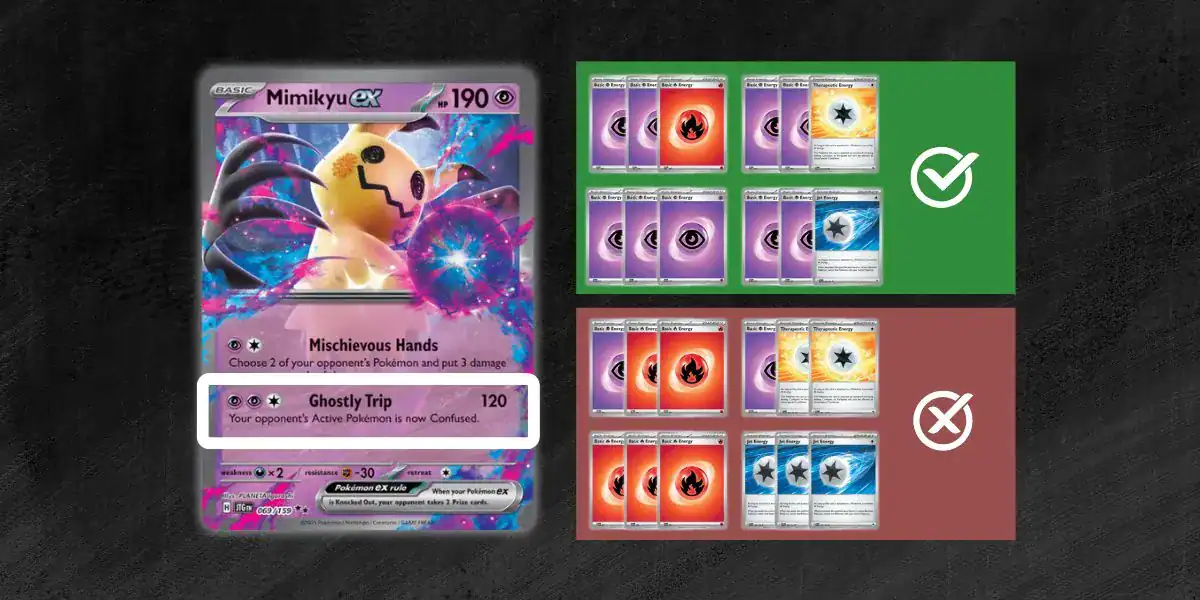
Energy cost is always shown as circular orbs. Each orb has a symbol and color that represent its respective Basic Energy.
A red flame is fire, a blue water droplet is water, a green leaf is grass, and so on. A white circle with a black star indicates a Colorless Energy requirement.
Pokémon must have both the number and type of Energy symbols shown on the Energy Cost to use an attack.
Let’s use Mimikyu ex’s Ghostly Trip as an example. It has an Energy Cost of 2x Psychic and 1x Colorless. This means you need at least 2 Psychic Energy attached. The third can be any type (Fire, Grass, Psychic- doesn’t matter). Attaching 3 Fire Energies won’t allow you to use this attack- even though the count is right, the types aren’t.
Got more Energy attached than required? No problem- you can still attack as long as the minimum Energy Cost is met.
What Is Colorless Energy?
Colorless Energy (black ★ in a white circle) is an Energy Cost symbol but not a type of Basic Energy. There are Special Energy cards that provide only Colorless Energy- like Double Turbo Energy- but there’s no such thing as a “Basic Colorless Energy” card.
Any type of Basic Energy can be used to meet a Colorless cost. But a Colorless Special Energy card cannot be used to meet a colored Basic Energy cost.
This flexibility makes Colorless attacks easier to include in different types of decks. It also makes some Special Energy useful for decks that want to charge Colorless backup attackers quickly.
How To Attach Energy
Attaching Energy is one of the simplest mechanics in the Pokémon TCG. You get to make one free Energy attachment (also called a manual Energy attachment) every turn.
To do this, take one Energy card from your hand and attach it to one of your Pokémon in play (Active or Benched- your call).
This single attachment is the main way you power up attacks.
But attaching just one Energy per turn is painfully slow and simply won’t cut it if you’re playing to win. So, how do you attach multiple Energies in a single turn?
That’s where energy acceleration comes in.
What Is Energy Acceleration?
Energy acceleration means getting more Energy into play beyond the normal one-per-turn limit. This can come from Pokémon Abilities, attacks, and Trainer cards.
Together, these cards form your “energy acceleration engine”. The best decks almost always include an energy acceleration engine.
Energy attachments from your acceleration engine do not count as your free Energy attachment. This means you can combine effects in different ways to attach multiple Energies in a single turn.
Here are some of the best Energy acceleration engines in the current meta and how they work:
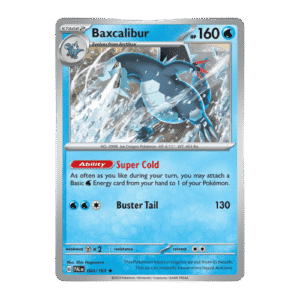
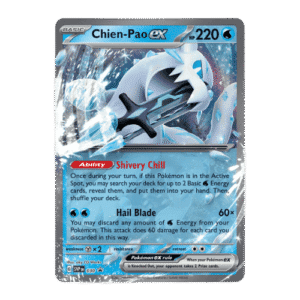
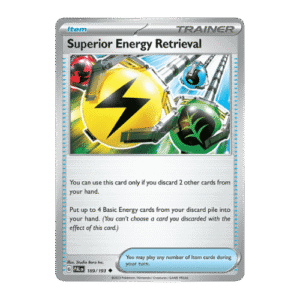
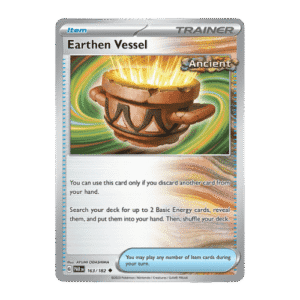
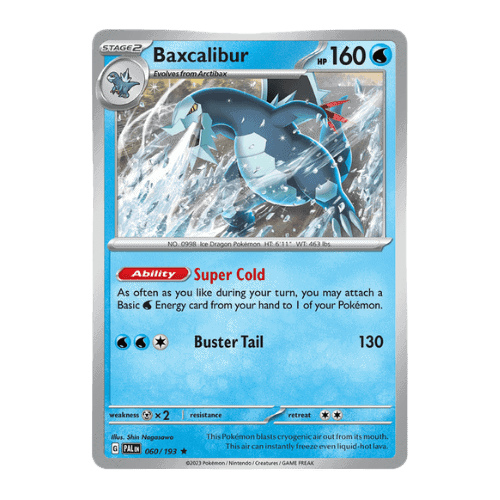
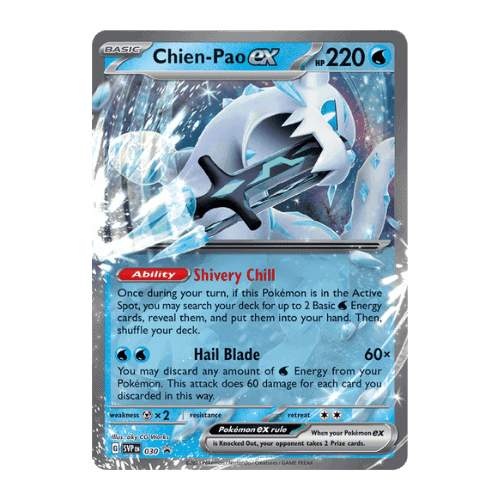
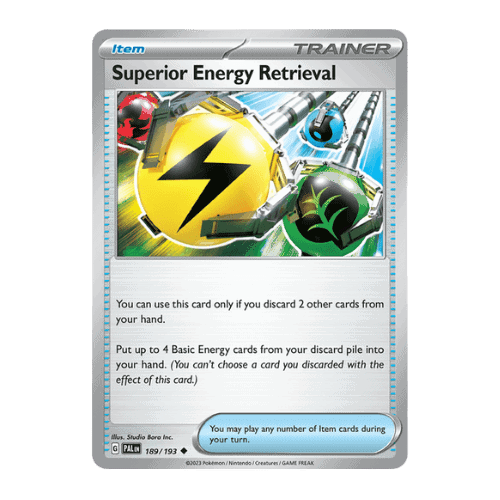
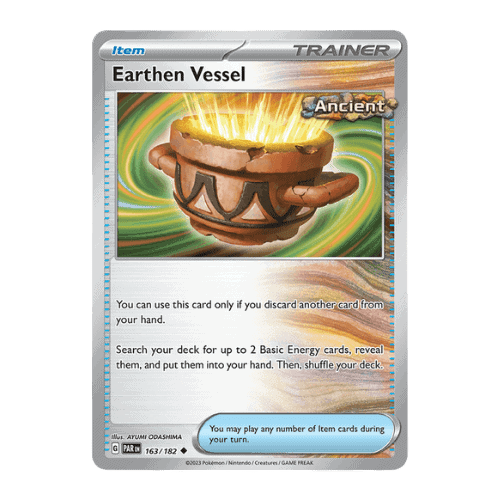
1) Baxcallibur
Perfect for:
Water-type decks.
Strategy:
Get Water Energy into your hand fast. Then use Baxcallibur to flood the Water Energy onto your field.
Core cards:
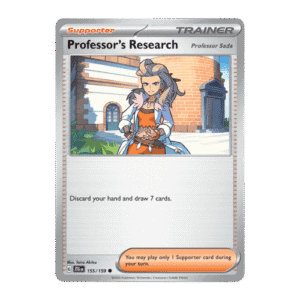
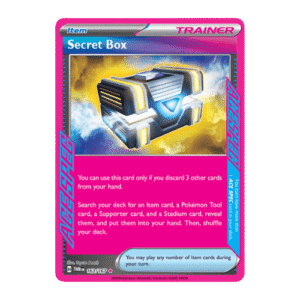
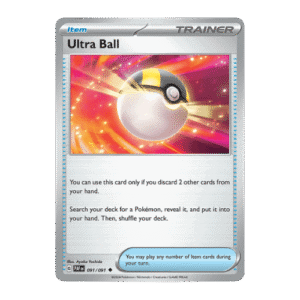
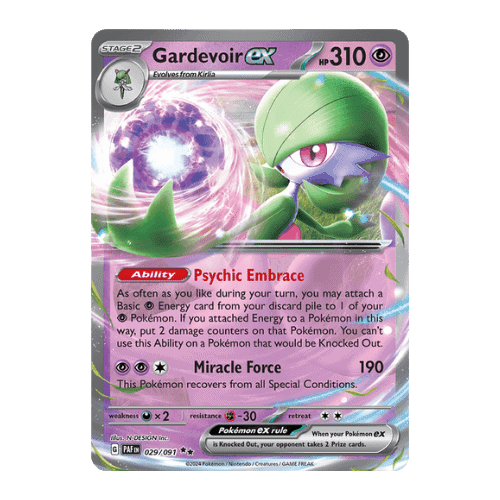
2) Gardevoir ex
Perfect for:
Psychic-type decks.
Strategy:
Get Psychic Energy into your discard pile as fast as possible. Then use Gardevoir ex to accelerate the Psychic Energy back onto your Pokémon
Core cards:
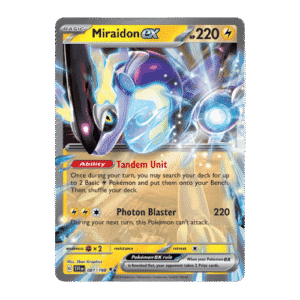
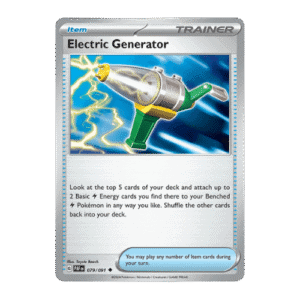
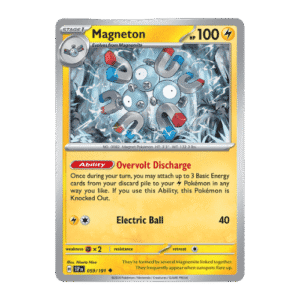
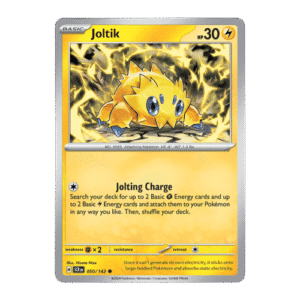
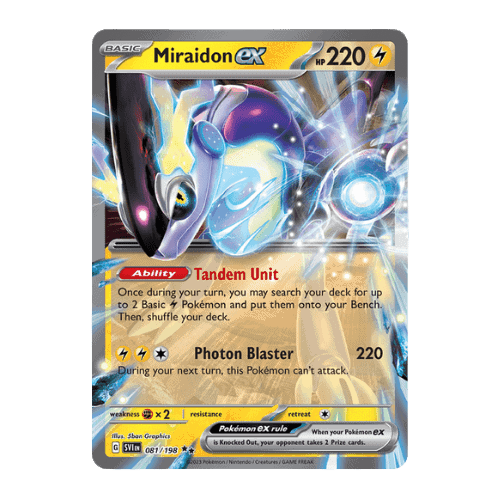
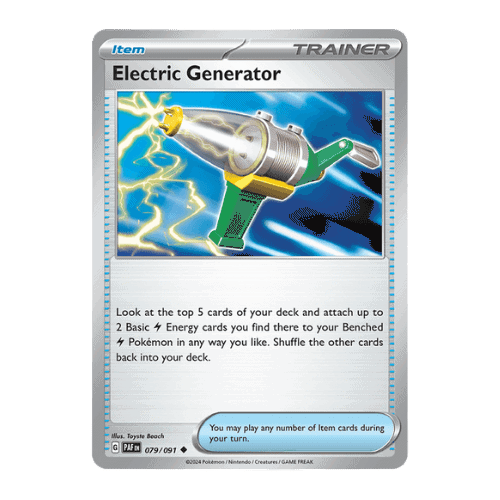
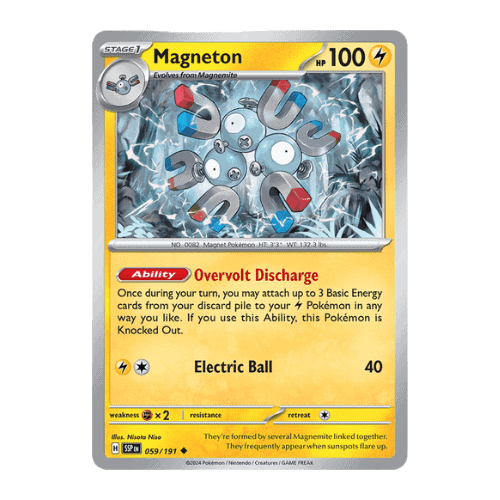
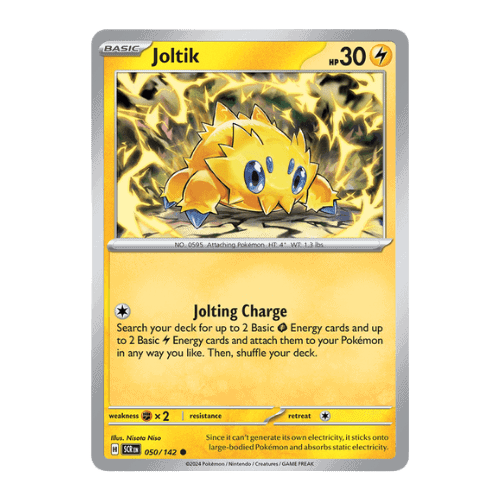
3) Miraidon ex – Electric Generator
Perfect for:
Lightning-type decks.
Strategy:
Search for Electric Pokémon to thin your deck using Miraidon ex. Then use Electric Generator to attach Lightning Energy from your deck onto your Pokémon.
Core cards:
Ideal Deck Energy Count
Here’s the million-dollar question: “how many Energy cards should my deck have?”
Spoiler- there’s no one-size-fits-all answer because it really depends on your deck strategy and how effectively you can get the Energy from your deck into play.
Here are general Energy count guidelines according to your experience level:
Deck Level | Recommended Energy Count | Why |
Beginner Decks | 14–18 | New decks often lack search, acceleration, or draw support. Higher Energy count helps you consistently charge up Pokémon without stalling. |
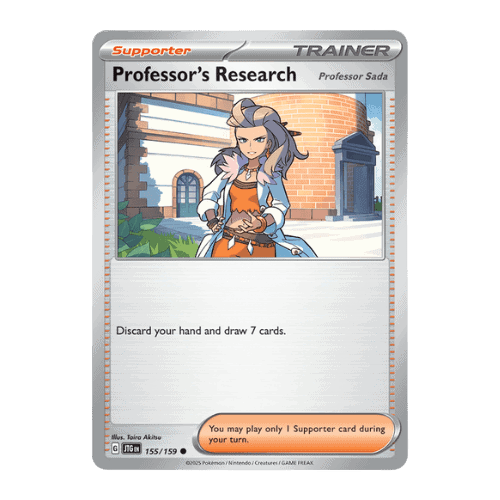
Intermediate Decks | 10–13 | At this stage, you’re using draw and search Trainers like Professor’s Research and Earthen Vessel to thin your deck and find cards faster. Many decks also include basic Energy acceleration engines, leading to higher consistency and fewer dead draws. |
Advanced Decks | 6-10 | These decks lean on heavy acceleration engines and Trainer/Ability combos that attach multiple Energies quickly and efficiently. Speed and setup efficiency matter more than raw Energy volume. |
Ready to put that knowledge into action? Check out our in-depth guide on building a Pokémon deck. It walks you through tuning your Energy count and more, to assemble a powerful and cohesive deck that actually wins.
Energy Mistakes Beginners Make
Let’s talk about what not to do when playing Energy cards. Most beginner decks fumble because of poor Energy management in deck-building and during gameplay. And no shame- we’ve all made these mistakes at some point.
But if you can avoid these five blunders, you’ll instantly level up your gameplay:
Mistake 1: Too Much Energy
New players love to run 20+ Energy cards because it feels “safe.” But in reality, drawing too many Energy and not being able to attach them will quickly clog your hand.
The Fix: Run fewer Energy- aim for 10 to 13 unless your deck has zero search or acceleration. Fill the extra space with Trainers that help you find what you need, when you need it.
Mistake 2: Attaching to the Wrong Pokémon
You get excited, slap Energy on your Active… then realize next turn you need to power up something on the Bench. Now you’ve wasted a turn.
The Fix: Think one or two turns ahead. Ask yourself: “What attacker do I need next? Not just now.”
Mistake 3: Big Attackers Without Acceleration Support
You’re running Energy-hungry attackers, but have no way to get extra Energy onto the board. That means you’ll take forever to power up and fall behind decks that are fast in the setup.
The Fix: If your Pokémon need 3+ Energy, make sure your list includes at least one acceleration engine– whether it’s an Ability (like Gardevoir ex) or a Trainer.
Mistake 4: All Special Energy No Basics
Special Energy cards seem flashy, but they come with limits. You can’t search or recycle most of them, and many cards only interact with Basic Energy.
The Fix: Use Special Energy sparingly– for utility, not your core fuel source. Even advanced decks usually still run 5–10 Basic Energy on top of their Special Energies.
Mistake 5: Ignoring Energy as a Strategy
Some players treat Energy like background noise. But managing Energy well- tracking your attachments and planning accelerations- is the difference between winning and barely surviving.
The Fix: Think of Energy as a tactical resource. Time your attachments. Prioritize acceleration. Preserve it when you can’t win the Prize trade.
Are Energy Cards Valuable?
If you’re collecting Pokémon cards, Energies are usually not worth much. But there are exceptions.
Basic Energy Card Value
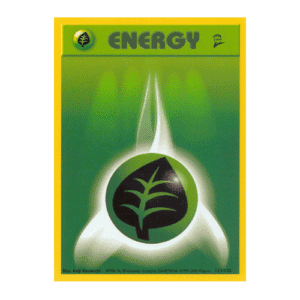
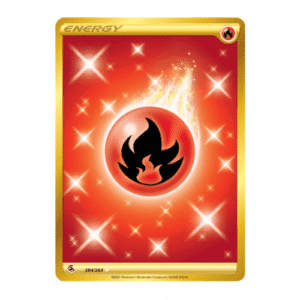
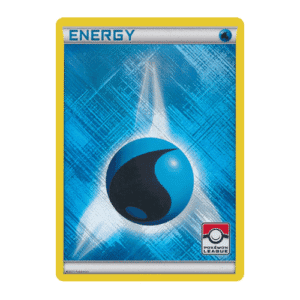
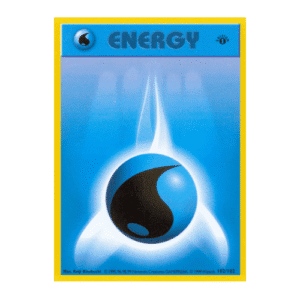
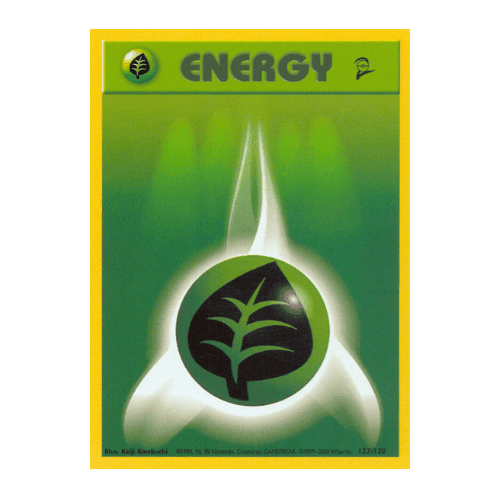
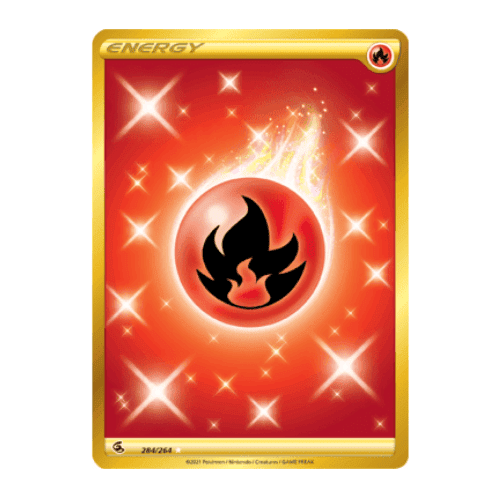

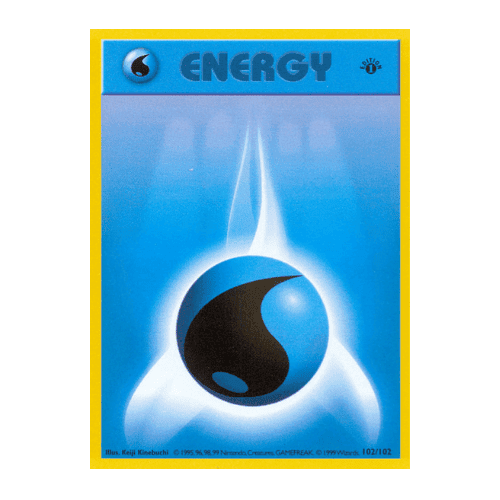
Most Basic Energies are mass-produced and worth a few cents at best. But certain exceptions are collector favorites and command higher prices:
Special Energy Card Value
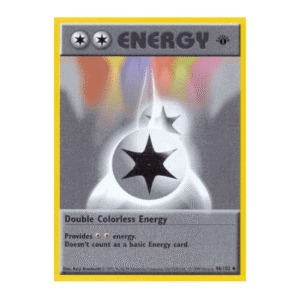
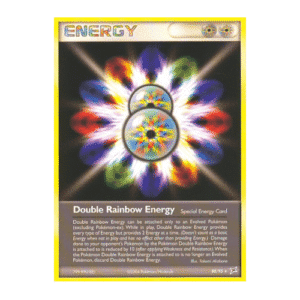
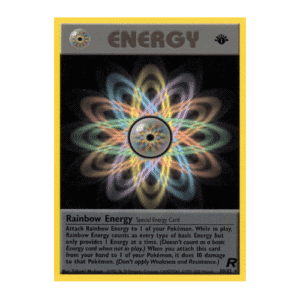


Most Special Energy cards can fetch $2 to $10. But some rotated-out Special Energy (no longer legal in Standard play) hold higher values due to their historical relevance and artwork. Popular examples include:
Remember, prices vary greatly depending on card condition, print run, if it’s raw or graded, and market demand (which fluctuates).
Go to our list of rarest Energy cards to learn more!
Final Thoughts
Pokémon Energy cards might not have cool attacks or flashy art, but they are the single most important mechanic in the TCG.
You could be holding the most meta-defining VSTAR Pokémon in your hand- but if you don’t have the right Energy?
You’re toast.
Learning what Energy cards are, how to manage them, and building around them is how you go from “I’m just learning” to “I’m winning locals.”
FAQ

Kalam is a PTCG gameplay expert and content creator. He started playing and collecting Pokémon cards since 1996. When he’s not working, you can find him nerding out on Anime!
Ready To Level Up At PTCG?